
Turning Plants Into Their Own Protection Mechanism
Beyond nutrition and biology, worm tea serves a third function that is often overlooked: plant protection. When applied correctly, it creates a natural barrier against disease and pests. Many threats to gardens are so small, we don’t know they’re even there until the damage has been done. Using worm tea provides a microscopic level of defense that acts like a natural antibiotic.
Strengthening Plant Tissue and Defense Response
When combined with practices like:
- Silica supplementation (for cell wall strength)
- Consistent hydration (preventing calcium-related issues)
Worm tea helps plants develop:
- Thicker cell walls
- Stronger structural integrity
- Greater resistance to environmental damage
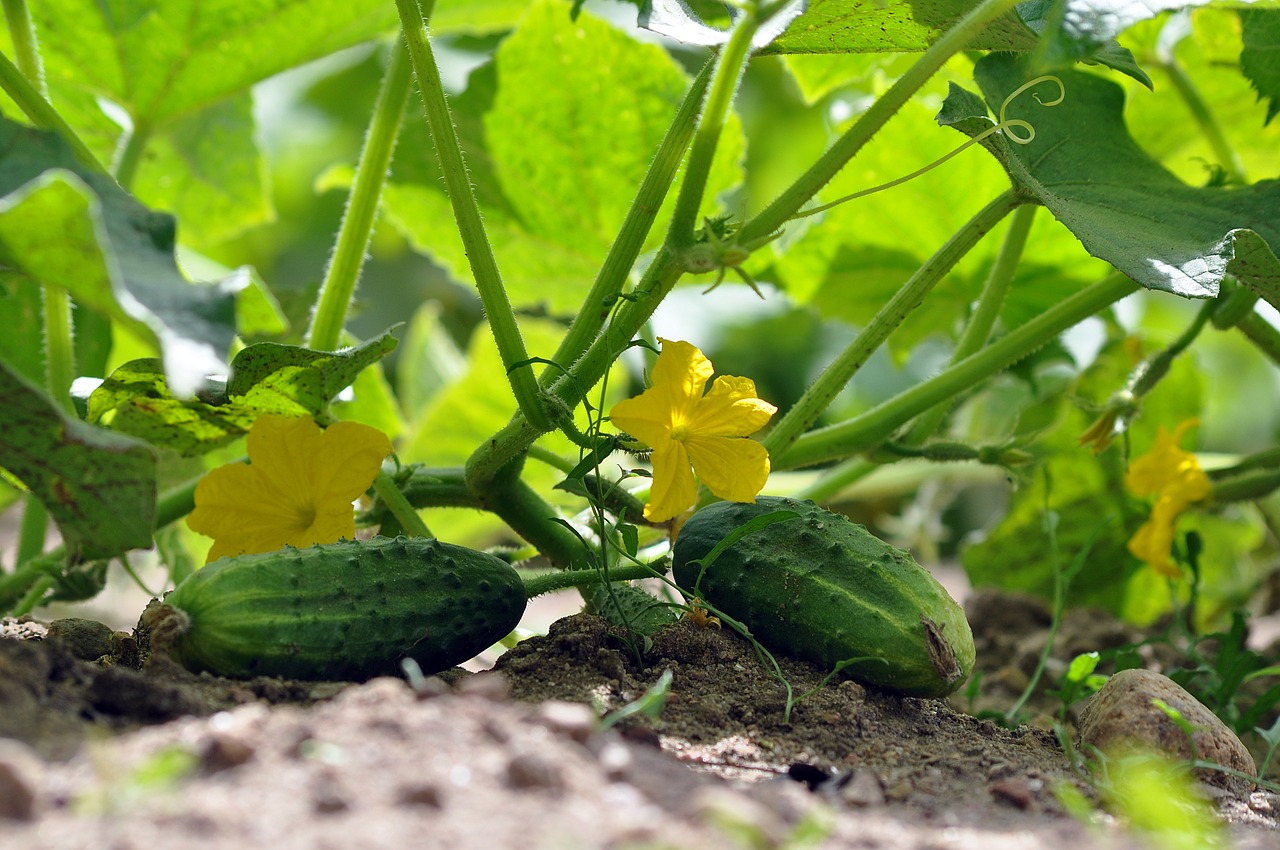
For crops like sweet peppers, tomatoes & cucumbers, this leads to:
- Thicker fruit walls
- Reduced disease susceptibility
- Longer productive lifespan (even in multi-year plants)
Biological Occupation of Leaf Surfaces
When used as a foliar spray, worm tea coats leaves with beneficial microbes. These organisms:
- Occupy physical space on the leaf surface
- Outcompete harmful pathogens
- Disrupt disease colonization
This is especially effective against:
- Powdery mildew
- Botrytis (gray mold)
- It’s a preventative strategy, not just a treatment.
Enzymatic and Microbial Pest Deterrence
Certain microbial populations and enzymes in worm tea can make plants less attractive to pests like:
- Spider mites
- Aphids
- White flies
- Leaf hoppers
They do this by:
- Altering the plant’s surface chemistry
- Breaking down pest-attracting residues
- Supporting plant immune responses
While not a pesticide, worm tea functions as a biological deterrent layer.