
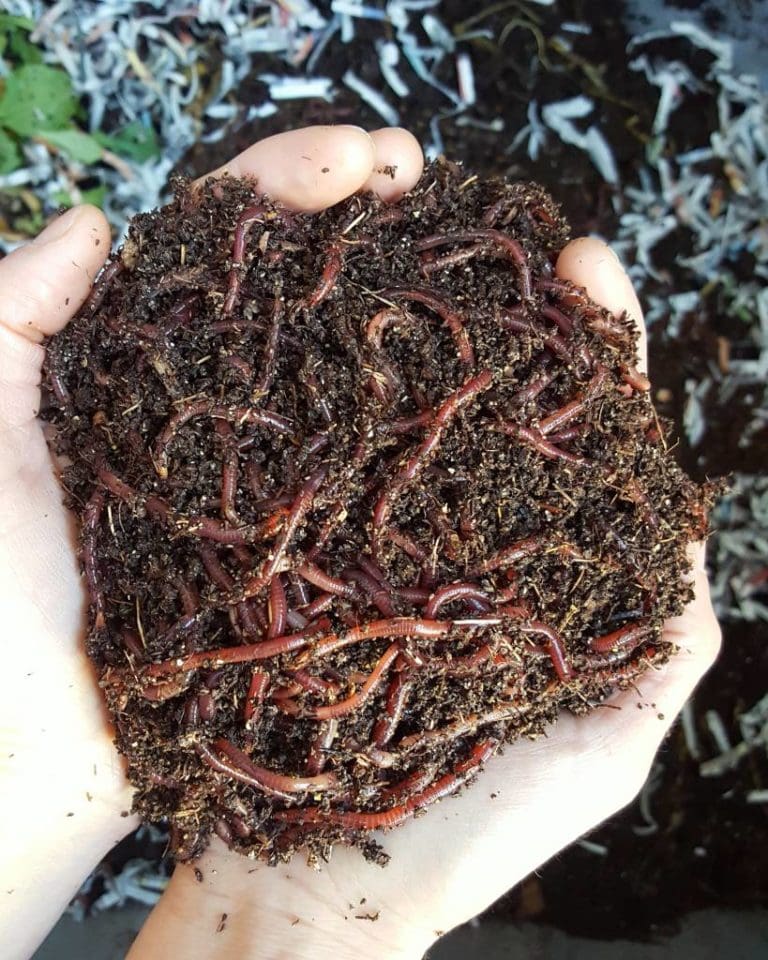
What is worm tea?
Worm tea (often called vermicompost tea) is a microbe-rich liquid made by steeping high-quality worm castings in water. Used correctly, it can help support healthier soil biology, steadier plant growth, and better nutrient cycling—without relying on harsh synthetic inputs.
Why gardeners love it (the real benefits)
- Supports soil life: feeds and distributes beneficial microbes around the root zone.
- Gentle, low-risk nutrition: a light “nudge” rather than a heavy fertilizer hit.
- Great for transplants: helps reduce stress when plants are establishing.
- Works in beds and containers: especially helpful where soil biology is limited.
Your first brew: a simple, beginner-friendly recipe
This is a straightforward starter method designed for consistency. Once you’ve brewed a few batches and know what “good” looks and smells like, you can experiment.
You will need:
- 5-gallon bucket (affords plenty of tea for your plants)
- Aquarium pump + air stone (for healthy, aerobic microbes)
- Worm castings (can be sourced anywhere)
- Water (after letting sit for 24 hours to let cholorine dissipate)
- Unsulfured molasses (contains no sulfur dioxide that will kill microbial life)
- Mesh bag/pantyhose (to hold castings in water)
Ingredients (5-gallon batch)
- 2 cups worm castings (high-quality, fresh)
- 4–5 gallons dechlorinated water
- 1–2 tablespoons unsulfured molasses
Let brew for 24 hours
- Pour onto around plants as a soil drench
- Distribute as foliar spray in early morning or evening to avoid leaf sunburn