
Author: Tea Party Brewer

  • Find a Balance

    Find a Balance

    Maintaining the Right Balance of Nutrients in Containers

    Container gardening gives you incredible control over your plants—but that control also comes with responsibility. Unlike in-ground gardens, where roots can spread out and search for nutrients, container plants are limited to whatever is available inside the pot. That means nutrient balance matters more than ever.

    Too little nutrition, and your plants stall. Too much, and they may grow weak, leafy, or stressed. The goal is not to “feed more.” The goal is to feed wisely.

    Why Containers Need a Different Approach

    In a garden bed, soil life, organic matter, minerals, worms, moisture, and microbial activity all work together across a larger growing area. Containers are much more restricted. Every watering moves nutrients around. Some nutrients are used quickly. Others can build up over time.

    That is why container plants can go from thriving to struggling faster than plants in the ground.

    A healthy container system needs four things working together:

    1. Good potting mix
    2. Consistent moisture
    3. Biological activity
    4. Balanced nutrition

    Worm tea can support all four, especially when used as part of a steady maintenance routine instead of as an emergency fix.

    The Problem with Overfeeding

    One of the most common mistakes in container gardening is assuming that more fertilizer means better growth. In reality, overfeeding can create several problems.

    Too much nitrogen can produce big, lush leaves but fewer flowers or fruit. Excess salts from synthetic fertilizers can build up in the potting mix and damage roots. Heavy feeding can also push fast growth that the plant cannot properly support, especially during heat stress or inconsistent watering.

    Plants need nutrients, but they also need balance. A tomato plant overloaded with nitrogen may look impressive for a while, but it may delay flowering. A pepper plant pushed too hard may drop blossoms. Herbs may lose flavor when overfed.

    Strong growth is not always the same as healthy growth.

    What Balanced Nutrition Looks Like

    Balanced nutrition means the plant has access to what it needs, when it needs it, without being overwhelmed.

    The major nutrients plants need are:

    Nitrogen for leafy growth
    Phosphorus for roots, flowers, and fruiting
    Potassium for overall vigor, stress tolerance, and fruit quality

    Plants also need secondary nutrients and trace minerals, including calcium, magnesium, sulfur, iron, zinc, manganese, boron, and others.

    In containers, the challenge is that nutrients do not always stay evenly available. Watering can leach some nutrients out through drainage holes. Other nutrients may become unavailable if the potting mix gets too wet, too dry, or biologically inactive.

    This is where worm tea can be especially useful.

    How Worm Tea Helps Container Plants

    Worm tea is not simply a fertilizer. It is a biological soil support. A well-made worm tea introduces beneficial microbes, gentle nutrients, and organic compounds that help support healthier root zones.

    For container plants, worm tea can help by:

    Supporting microbial life in the potting mix
    Improving nutrient availability
    Reducing the shock of heavy feeding cycles
    Encouraging stronger root-zone activity
    Helping plants recover from stress
    Providing gentle, steady nourishment

    Because worm tea is mild compared to many fertilizers, it fits well into a container garden where balance matters. It is less about forcing rapid growth and more about helping the plant use nutrients efficiently.

    Use Worm Tea as Maintenance, Not Rescue

    The best time to use worm tea is before your plants look desperate.

    Many gardeners wait until yellow leaves, stalled growth, or blossom drop appear before acting. By that point, the plant may already be stressed from a combination of nutrient imbalance, watering inconsistency, heat, root restriction, or poor soil biology.

    A better approach is to use worm tea regularly as part of maintenance.

    For most container vegetables, herbs, and flowers, applying worm tea every 1–2 weeks during active growth is a reasonable starting point. Heavy-feeding plants like tomatoes, peppers, cucumbers, and squash may benefit from more consistent support, while herbs and smaller ornamentals often need a lighter touch.

    The goal is steady support, not constant stimulation.

    Watch the Plant, Not Just the Schedule

    A schedule is helpful, but the plant gives the best feedback.

    If your plant has pale leaves, slow growth, and weak stems, it may need more nutrition. If it has dark green, excessive leafy growth but few flowers, it may be getting too much nitrogen. If leaf edges brown or the plant wilts despite moist soil, salts, root stress, or poor drainage may be involved.

    Worm tea is helpful, but it cannot fix every container problem. Nutrient balance depends on the whole system.

    Before adding more food, check:

    Is the container large enough?
    Does it drain well?
    Is the potting mix compacted?
    Is the plant being watered consistently?
    Is the plant getting the right amount of sunlight?
    Has fertilizer built up in the soil?

    Sometimes the best nutrient correction is not adding more—it is flushing the container, refreshing the potting mix, improving drainage, or reducing stress.

    Avoid Nutrient Swings

    Container plants do not like extremes. A heavy dose of fertilizer followed by weeks of neglect can create nutrient swings that stress the plant.

    Worm tea works best when it is used gently and consistently. Think of it as feeding the soil environment instead of force-feeding the plant.

    A simple rhythm might look like this:

    Use plain water for normal watering.
    Apply worm tea every 1–2 weeks during active growth.
    Add slow-release organic amendments only as needed.
    Refresh compost or worm castings lightly during the season.
    Flush containers occasionally if salts or buildup are suspected.

    This keeps nutrition more stable and helps prevent the boom-and-bust cycle that often happens in pots.

    Pair Worm Tea with Quality Potting Mix

    Worm tea works best when the growing medium can support life. A sterile, exhausted, compacted potting mix will not perform as well as a fresh, well-aerated mix with organic matter.

    For containers, use a potting mix that drains well but still holds moisture. Avoid heavy garden soil in pots, because it can compact and suffocate roots.

    A strong container mix should provide:

    Good drainage
    Air space for roots
    Moisture retention
    Organic matter
    Room for microbial activity

    Adding worm castings to the mix at planting time can provide a strong foundation. Worm tea can then help maintain biological activity throughout the growing season.

    Don’t Forget Calcium and Magnesium

    Many container gardeners focus only on nitrogen, phosphorus, and potassium, but calcium and magnesium are also important.

    Calcium supports strong cell walls and is especially important for fruiting crops like tomatoes and peppers. Magnesium is central to chlorophyll production and healthy green growth.

    Even when these nutrients are present, inconsistent watering can prevent plants from using them properly. For example, blossom end rot in tomatoes and peppers is often linked to calcium movement problems inside the plant, and uneven watering is a major contributor.

    Worm tea can support the root zone, but watering consistency is still essential.

    The Best Mindset: Feed the Soil Life

    In container gardening, it is easy to think only in terms of fertilizer numbers. But plants do not grow from numbers alone. They grow from a living system.

    Worm tea helps shift the mindset from “How much fertilizer can I add?” to “How can I create a healthier root environment?”

    That is the real advantage.

    Balanced container nutrition is not about chasing fast results. It is about building steady, resilient growth. When the roots are supported, the microbes are active, the moisture is consistent, and the nutrients are available, plants have what they need to perform.

    Final Thoughts

    Container plants depend on you for almost everything. They cannot send roots deep into the earth to search for missing nutrients. They cannot escape compacted soil, salt buildup, or inconsistent watering. That means balance matters.

    Worm tea is one of the best tools for maintaining that balance because it supports the living relationship between roots, microbes, moisture, and nutrients.

    Use it consistently. Use it gently. Pay attention to what your plants are telling you.

    Healthy containers are not built by overfeeding. They are built by creating the right conditions for plants to thrive.
  • Turn Annuals into Perennials

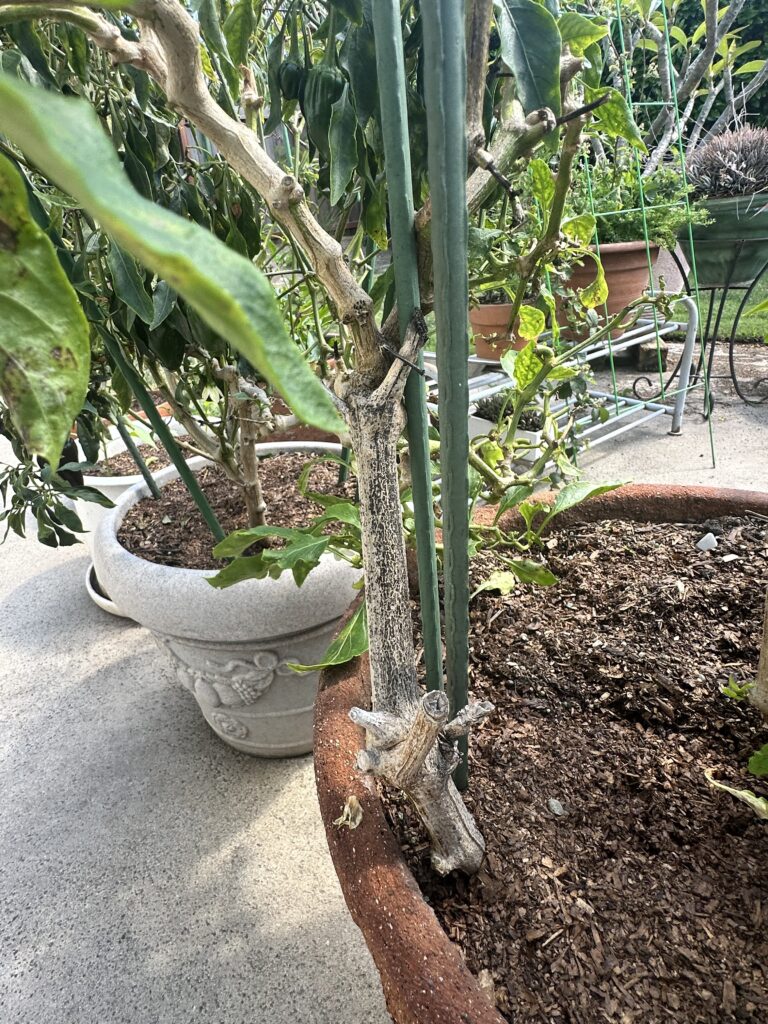
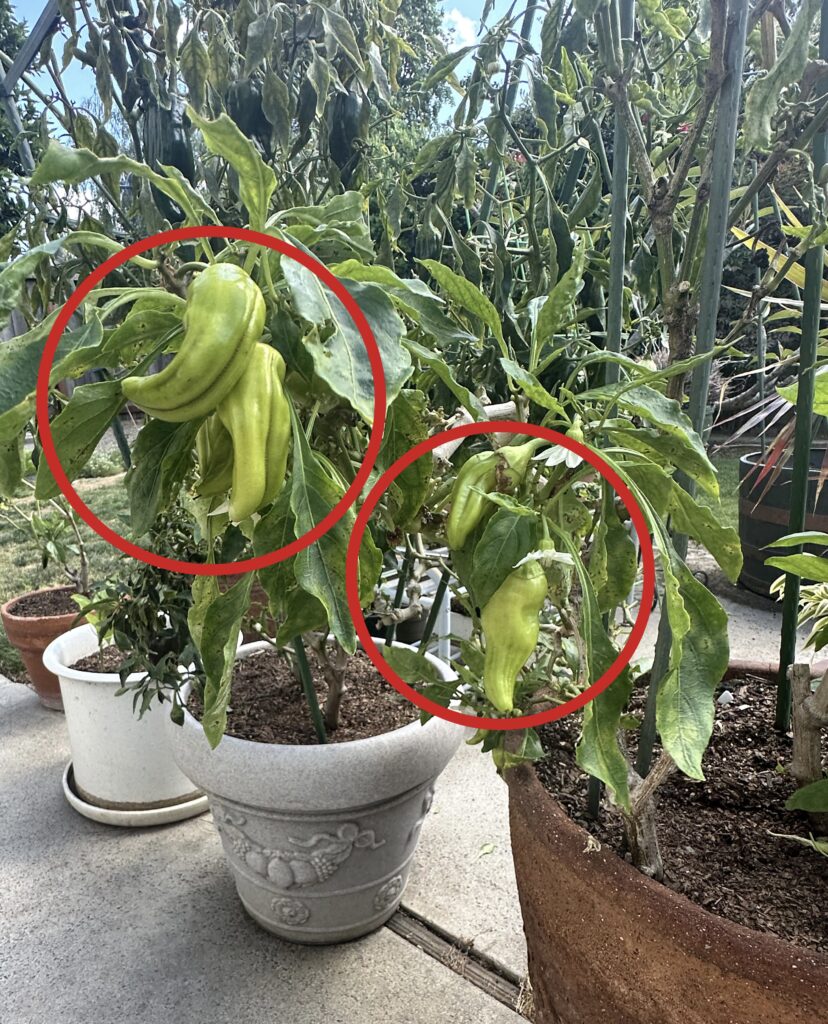
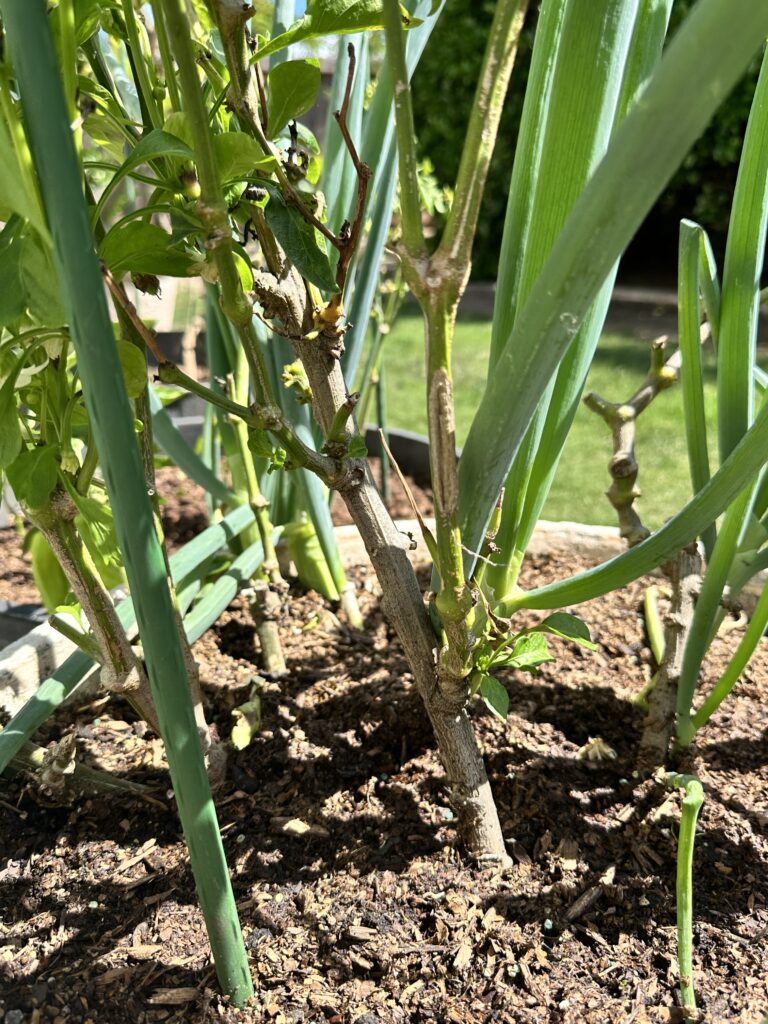
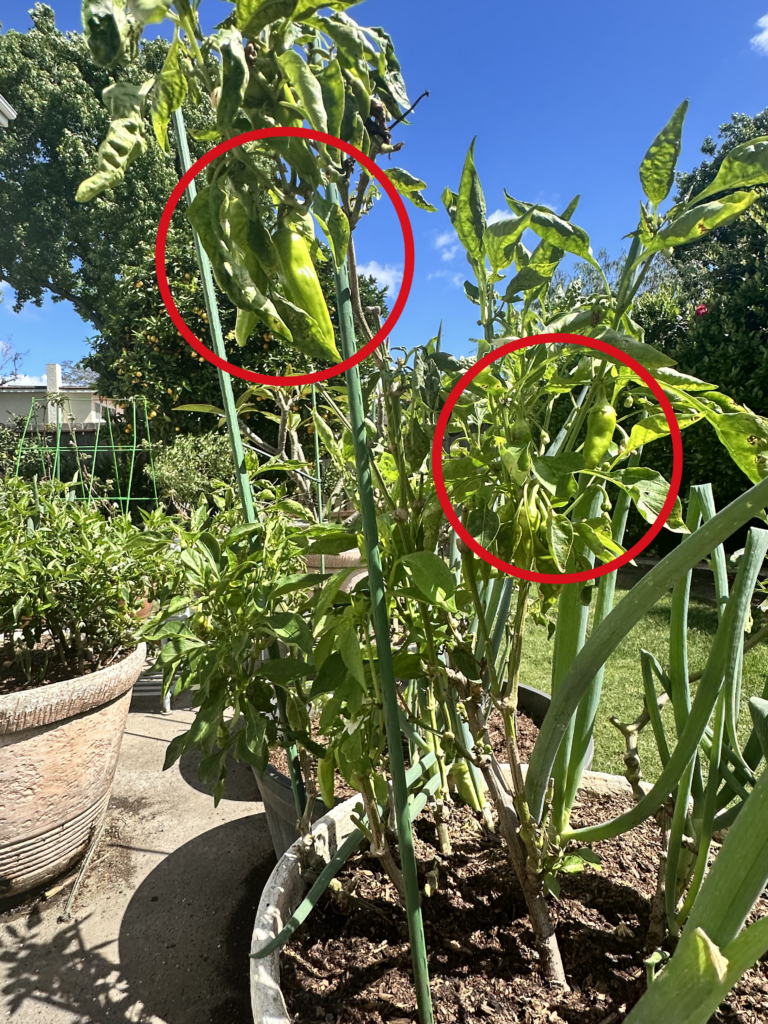
    Most gardeners treat pepper plants as short-lived annuals in containers—but that limitation is usually a soil problem, not a plant problem. In a pot, the soil ecosystem collapses over time: nutrients get depleted, microbial diversity drops off, and root zones become compacted and lifeless. What these photos clearly show is the opposite. These 4+ year old plants have developed thick, woody stems over multiple seasons—more like small shrubs than annual vegetables—because the soil has remained biologically active. With the addition of 3-4 inches of potting soil/mulch each year, consistent applications of worm tea reintroduce and sustain beneficial microbes, which continue cycling nutrients, protecting roots, and maintaining structure in a confined environment where that system would otherwise break down.

    (And this production is only early Spring, before the weather brings the heat in which pepper plants produce abundantly.)

    The takeaway is straightforward but often overlooked: longevity in potted plants is directly tied to soil biology, not just watering or fertilizing schedules. When you consistently apply worm tea, you’re not just feeding the plant—you’re preserving the entire ecosystem that makes long-term growth possible. With that system intact, pepper plants don’t follow the typical one-season lifecycle; they mature, adapt, and continue producing well beyond expectations. Your plants are a working example that with the right microbial support, a container doesn’t have to be a limitation—it can sustain productivity for years.

  • Apple Cider Vinegar & Eggshells: A Calcium Upgrade

    Apple Cider Vinegar & Eggshells: A Calcium Upgrade

    If you’re already brewing vermicompost tea, you understand its value as a biologically active nutrient delivery system. But there’s a straightforward way to increase both its mineral availability and plant impact: incorporating apple cider vinegar (ACV) and eggshells. This combination creates a bioavailable calcium solution that complements the microbial strength of worm tea, particularly in container systems where nutrient cycling is limited.

    Why Eggshells Matter: Calcium Without the Wait

    Eggshells are composed of roughly 95% calcium carbonate, a critical element for plant structure and development. Calcium plays a direct role in:

    • Cell wall formation (structural integrity)

    • Root system development

    • Prevention of disorders like blossom end rot

    The problem: raw eggshells break down slowly in soil or compost. In a container environment—or even in worm tea—they don’t release calcium quickly enough to meet immediate plant demand.

    Why Apple Cider Vinegar Changes the Equation

    Apple cider vinegar acts as a mild acid that reacts with calcium carbonate in eggshells, converting it into calcium acetate—a form that plants can absorb almost immediately.

    This process delivers two key advantages:

    Accelerated mineral availability (no waiting for decomposition)

    Improved uptake efficiency when applied as a liquid

    In effect, you’re pre-processing the calcium outside the plant, so it’s ready the moment it hits the root zone.

    The Combined Effect in Worm Tea

    When you introduce this calcium solution into your worm tea workflow, you’re stacking benefits across both biological and mineral pathways:

    1. Immediate Calcium Delivery

    Worm tea already delivers soluble nutrients. Adding calcium acetate ensures plants receive a critical secondary nutrient without delay—especially important for fruiting plants like tomatoes and peppers.

    2. Microbial Synergy

    Worm tea is rich in beneficial microbes. These organisms help stabilize nutrients and improve root interface activity. When paired with readily available calcium, you get a more balanced rhizosphere environment—supporting both microbial function and plant metabolism.

    3. pH Buffering in Containers

    Container soils are prone to pH swings due to frequent watering and limited buffering capacity. The addition of calcium helps moderate acidity, while ACV in small, controlled amounts contributes to a more stable nutrient environment overall.

    Practical Application: Simple Calcium Boost Recipe

    You don’t need a complex setup to implement this:

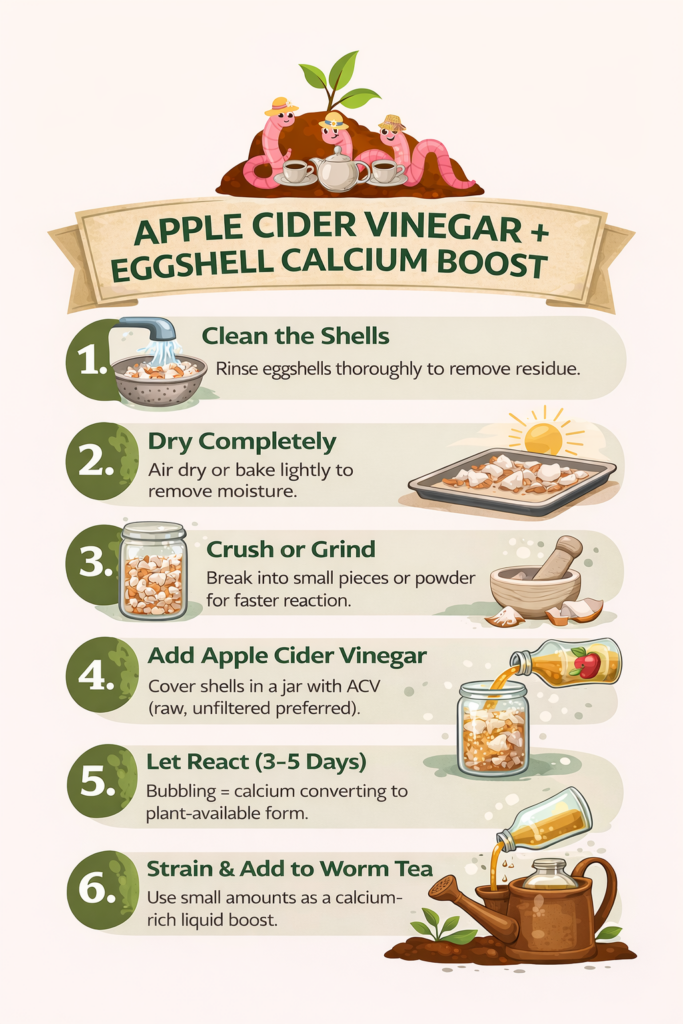
    1. Rinse and dry eggshells

    2. Crush into small pieces or powder

    3. Place in a jar and cover with apple cider vinegar

    4. Let sit for 3–5 days (you’ll see bubbling as the reaction occurs)

    5. Strain the liquid

    6. Add small amounts to your worm tea before application (diluted)

    Important: This is a concentrate—use sparingly. A little goes a long way.

    Where This Makes the Biggest Impact

    This approach is especially effective in:

    Container gardening (limited mineral reserves)

    High-demand crops (tomatoes, peppers, squash)

    Indoor plants where soil ecosystems are constrained

    Recovery scenarios (plants showing calcium deficiency symptoms)

    Bottom Line

    Worm tea already functions as a high-efficiency delivery system for biology and nutrients. By integrating apple cider vinegar and eggshells, you’re adding a targeted mineral enhancement layer—one that addresses calcium availability in a way traditional compost inputs cannot match.

    It’s a low-cost, high-leverage upgrade that aligns perfectly with the goal of worm tea: maximum plant response with minimal waste.

  • Worm Tea as a Natural Defense System

    Worm Tea as a Natural Defense System

    Turning Plants Into Their Own Protection Mechanism

    Beyond nutrition and biology, worm tea serves a third function that is often overlooked: plant protection. When applied correctly, it creates a natural barrier against disease and pests. Many threats to gardens are so small, we don’t know they’re even there until the damage has been done. Using worm tea provides a microscopic level of defense that acts like a natural antibiotic.

    Strengthening Plant Tissue and Defense Response

    When combined with practices like:

    • Silica supplementation (for cell wall strength)
    • Consistent hydration (preventing calcium-related issues)

    Worm tea helps plants develop:

    • Thicker cell walls
    • Stronger structural integrity
    • Greater resistance to environmental damage

    For crops like sweet peppers, tomatoes & cucumbers, this leads to:

    • Thicker fruit walls
    • Reduced disease susceptibility
    • Longer productive lifespan (even in multi-year plants)

    Biological Occupation of Leaf Surfaces

    When used as a foliar spray, worm tea coats leaves with beneficial microbes. These organisms:

    • Occupy physical space on the leaf surface
    • Outcompete harmful pathogens
    • Disrupt disease colonization

    This is especially effective against:

    • Powdery mildew
    • Botrytis (gray mold)
    • It’s a preventative strategy, not just a treatment.

    Enzymatic and Microbial Pest Deterrence

    Certain microbial populations and enzymes in worm tea can make plants less attractive to pests like:

    • Spider mites
    • Aphids
    • White flies
    • Leaf hoppers

    They do this by:

    • Altering the plant’s surface chemistry
    • Breaking down pest-attracting residues
    • Supporting plant immune responses

    While not a pesticide, worm tea functions as a biological deterrent layer.

    Bottom line: Worm tea shifts plant care from reactive (treating problems) to proactive defense and resilience building.

  • Worm Tea as a High-Performance Nutrient Delivery System for Container Plants

    Worm Tea as a High-Performance Nutrient Delivery System for Container Plants

    The “Liquid Gold” Advantage for Container Gardening

    Container gardening is a necessity for many gardeners due to space constraints in backyards and patios, and while it has many benefits like greenery, beauty, privacy, and peace & quiet, it is inherently restrictive. Unlike in-ground plants, container roots are confined, nutrient reserves are limited, and watering cycles can flush out essential minerals. A worm tea regimen changes that soil health dynamic by acting as a high-efficiency nutrient delivery system.

    Immediate Nutrient Bioavailability

    Worm tea delivers nutrients in a water-soluble, plant-ready form. Instead of waiting for microbial breakdown (as with dry amendments), plants can immediately absorb:

    · Nitrogen for vegetative growth

    · Phosphorus for root and flower development

    This is particularly critical in pots, where frequent watering accelerates nutrient depletion. Worm tea closes that gap instantly.

    Reduced Nutrient Loss in High-Watering Systems

    Container plants—especially in warm climates like Southern California—require frequent irrigation. This creates a constant risk of:

    Nutrient leaching

    Soil depletion

    Imbalanced feeding cycles

    Worm tea mitigates this by delivering nutrients in sync with watering, ensuring that what’s applied is rapidly absorbed rather than washed away.

    Precision Feeding for Peak Output

    Because worm tea is applied as a liquid, it allows for tight control over feeding frequency and intensity:

    • Daily micro-dosing for steady growth
    • Targeted boosts during flowering or fruiting
    • Rapid correction of deficiencies
    • For crops like peppers, this precision often translates into:
    • Faster growth cycles
    • Larger yields
    • Improved fruit quality

    Bottom line: Worm tea turns container gardening from a passive system into a high-performance, controlled feeding environment.

  • Worm Tea 101: A Simple First Brew

    Worm Tea 101: A Simple First Brew

    What is worm tea?

    Worm tea (often called vermicompost tea) is a microbe-rich liquid made by steeping high-quality worm castings in water. Used correctly, it can help support healthier soil biology, steadier plant growth, and better nutrient cycling—without relying on harsh synthetic inputs.

    Why gardeners love it (the real benefits)

    • Supports soil life: feeds and distributes beneficial microbes around the root zone.
    • Gentle, low-risk nutrition: a light “nudge” rather than a heavy fertilizer hit.
    • Great for transplants: helps reduce stress when plants are establishing.
    • Works in beds and containers: especially helpful where soil biology is limited.

    Your first brew: a simple, beginner-friendly recipe

    This is a straightforward starter method designed for consistency. Once you’ve brewed a few batches and know what “good” looks and smells like, you can experiment.

    You will need:

    • 5-gallon bucket (affords plenty of tea for your plants)
    • Aquarium pump + air stone (for healthy, aerobic microbes)
    • Worm castings (can be sourced anywhere)
    • Water (after letting sit for 24 hours to let cholorine dissipate)
    • Unsulfured molasses (contains no sulfur dioxide that will kill microbial life)
    • Mesh bag/pantyhose (to hold castings in water)

    Ingredients (5-gallon batch)

    • 2 cups worm castings (high-quality, fresh)
    • 4–5 gallons dechlorinated water
    • 1–2 tablespoons unsulfured molasses

    Let brew for 24 hours

    • Pour onto around plants as a soil drench
    • Distribute as foliar spray in early morning or evening to avoid leaf sunburn